
Professional tree health and care services in Concord, NC
Preserving the Natural Beauty with tree health and care services
Neglecting tree health can lead to:
- Costly removals
- Hazardous falling limbs
- The loss of shade
Get Your Estimate
The Critical Importance of Specialized Tree Health and Care
The local climate in North Carolina fosters the growth of:
- Fungi
- Molds
- Invasive insects
Our approach
- integrates the latest in arboricultural science with a deep understanding of the Concord environment
We don't just cut branches
- We analyze the soil
- Evaluate the nutrient levels
- Monitor the tree's overall vitality
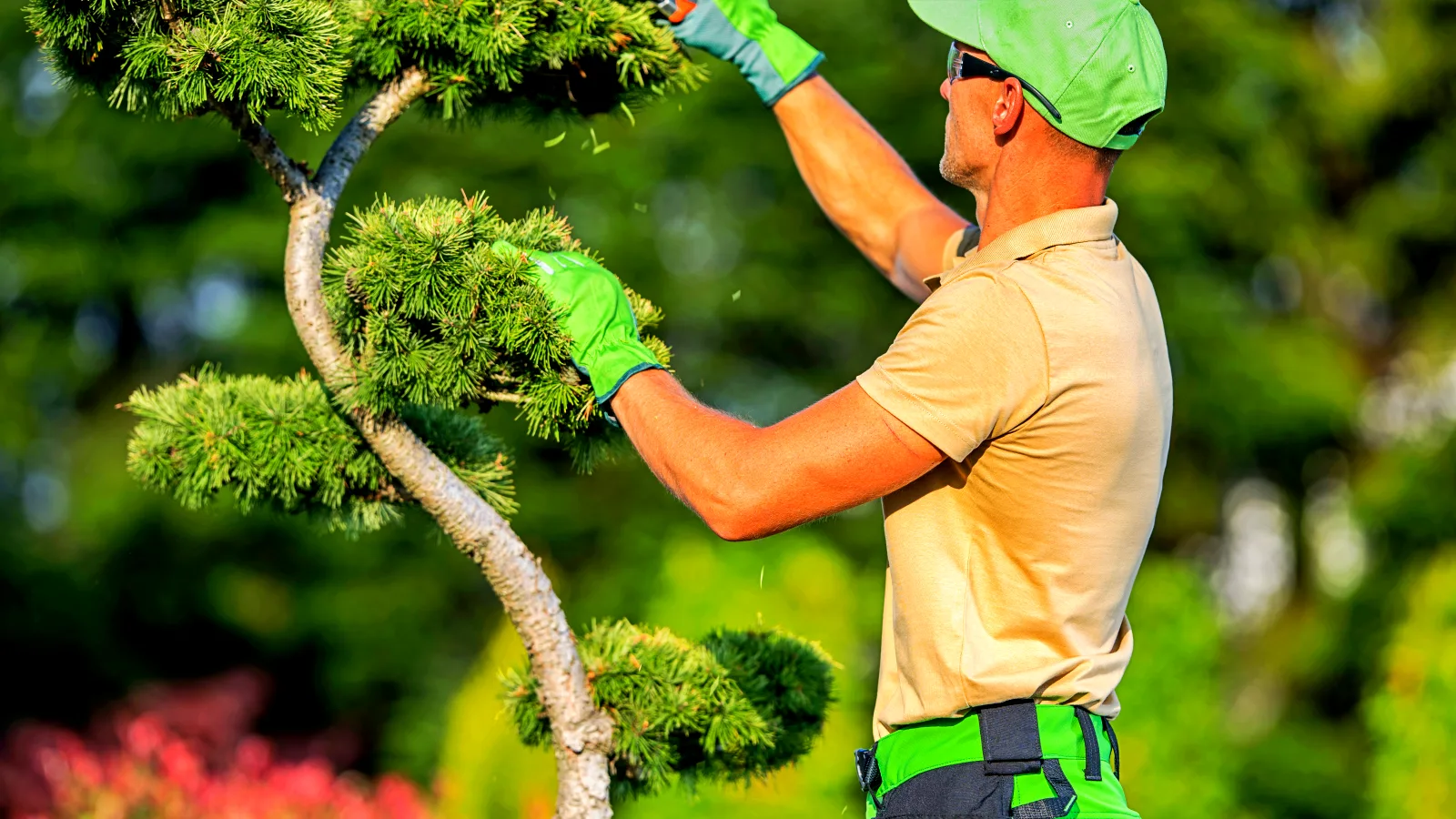
Precision Tree Pruning and Trimming for Growth and Safety
Structural Pruning
Essential for young trees, this process establishes a strong branch architecture, preventing future limb failure.
Crown Cleaning
We remove dead, dying, and diseased branches. This not only cleans up the look of the tree but also prevents decay from spreading into the main trunk.
Crown Thinning
By selectively removing certain branches, we allow more sunlight and air to penetrate the canopy. This reduces wind resistance during storms and encourages healthier interior growth.
Elevation Pruning
We lift the canopy to provide clearance for sidewalks, driveways, and power lines, ensuring your property remains safe and accessible.
Common Threats We Manage:
Every lawn faces different challenges depending on soil conditions, sunlight, drainage, and maintenance history.

The Science of Soil and Tree Fertilization

Satisfied Client Ratings
- Soil Testing: We analyze the pH levels and nutrient composition of your soil to identify exactly what is missing.
- Custom Nutrient Blends: We apply a mix of macronutrients
Deep Root Fertilization
Mulching and Aeration
Scheduling early also helps avoid peak-season delays.

Frequently Asked Questions About Tree Health in Concord NC
What is the best time of year for tree pruning in Concord?
For most species in North Carolina, late winter or early spring is ideal. This allows us to see the structure of the tree without leaves and ensures the tree can push new growth immediately after pruning. However, deadwood can and should be removed year-round.
How often should I have my trees fertilized?
This depends on the soil quality and the age of the tree. Generally, a professional fertilization treatment every 12 to 24 months is sufficient for most established trees in Concord, but our soil tests will provide a more precise schedule.
Can a dying tree be saved?
In many cases, yes. If the decay has not reached the core of the trunk or completely destroyed the root system, a combination of deep root fertilization, strategic pruning, and pest control can reverse the decline. This is why early detection through a health assessment is so critical.
What are the signs that my tree needs professional care?
Look for “dieback” (dead tips of branches), early leaf drop, mushrooms growing at the base of the trunk, large cracks in the bark, or a sudden change in the tree’s growth pattern. If you notice any of these, it is time to call a professional.
Do you handle very large trees in tight spaces?
Yes. We specialize in technical removals and pruning in confined areas. Using advanced rigging techniques, we can remove large limbs without damaging your home, fence, or other landscaping.

Contact us today for a comprehensive consultation
Latest Post