Concrete Slabs in Monroe NC
The Importance of Precision Engineering for Your Concrete Slabs
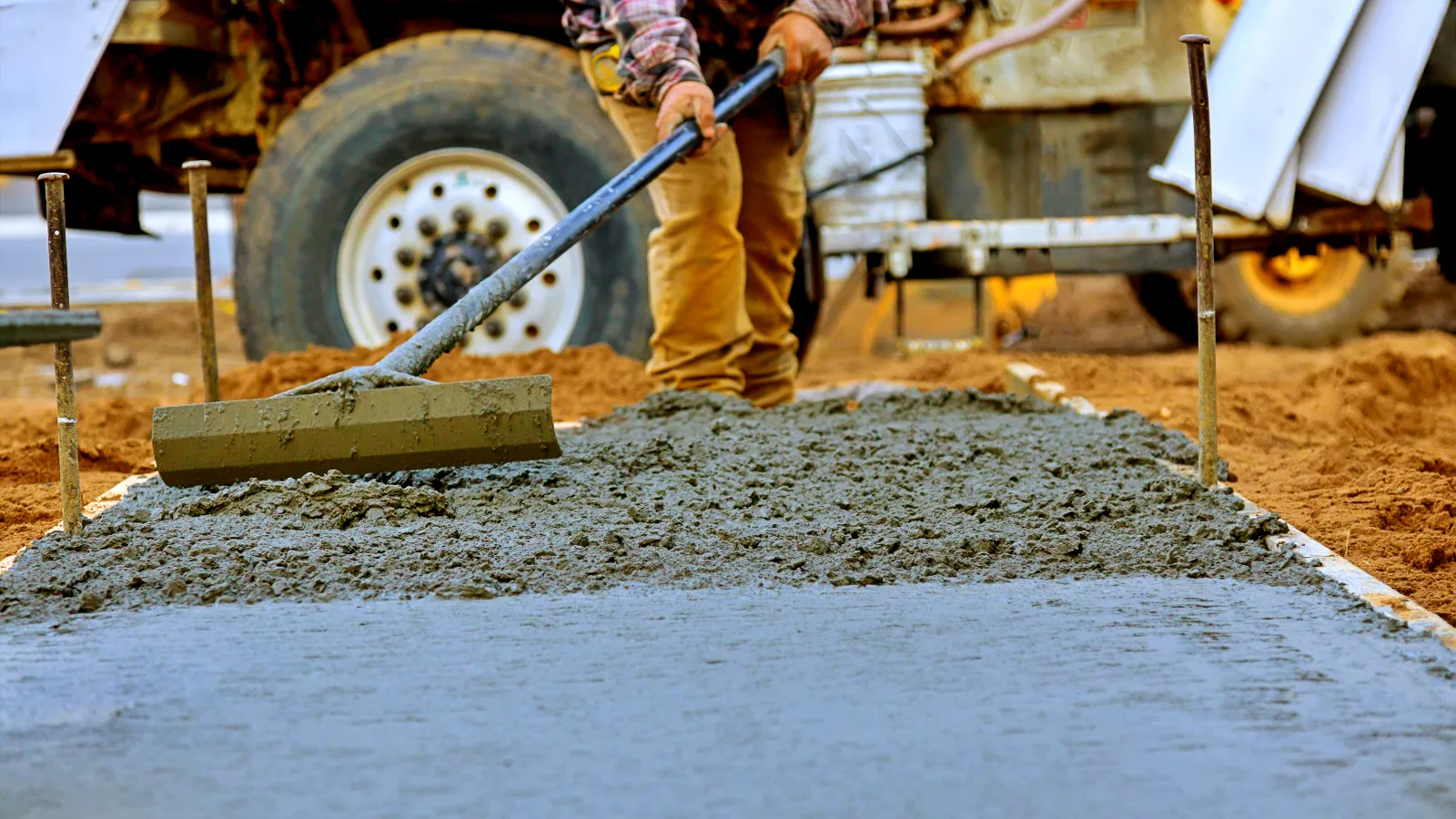
Many people assume that pouring concrete is a simple process of mixing mud and smoothing it over. However, achieving a slab that lasts for decades requires a deep understanding of site preparation, moisture control, and material science. When we talk about installing concrete slabs in Monroe NC, we are talking about managing the unique red clay soil common in our region. This soil is known for expanding and contracting with the seasons, which can put immense pressure on a slab if the base is not prepared correctly.

Ready to Strengthen Your Business Infrastructure?
Comprehensive Solutions for Every Project Need
We recognize that a backyard patio has different requirements than a commercial warehouse floor or a driveway that needs to support heavy vehicles.
Residential Patio Slabs
Durable Driveway Slabs
Garage and Workshop Floors
Foundation Slabs for Sheds and ADUs
How to Maintain Your Concrete Slabs for a Lifetime
Keep it Clean
Avoid Harsh Chemicals
Seal Your Investment
Residential vs. Commercial Concrete Slabs
Strategic Process: How We Deliver Excellence
Site Evaluation
Sub-Grade Preparation
Pour and Placement
Curing and Finishing
Commercial Concrete Contractors in Concord, NC
How long does it take for a new slab to cure?
While you can usually walk on a slab after 24 to 48 hours, concrete takes about 28 days to reach its full design strength. We recommend waiting at least 7 to 10 days before parking a heavy vehicle on a new driveway slab to avoid premature cracking.
Will my concrete slab crack over time?
Concrete is naturally prone to some degree of shrinkage. To manage this, we strategically place “control joints” in your concrete slabs in Monroe NC. These joints act as intentional weak points, directing the crack to happen in a straight line beneath the surface rather than randomly across the top of your slab.
How thick should my slab be?
For standard walkways and patios, 4 inches is typically sufficient. For driveways and garage floors, we recommend 4 to 6 inches. For commercial applications or heavy machinery, the thickness is determined by a structural load calculation, often exceeding 6 inches.
Can you pour a slab over an existing concrete surface?
In some cases, yes. This is known as an overlay. However, if the original slab is cracking or sinking, adding more concrete on top will not fix the underlying problem. We always inspect the existing base to determine if a full replacement or a simple overlay is the best path forward.
What is the best time of year to pour concrete in North Carolina?
While we can pour year-round, the ideal window is spring through autumn. However, we have the tools and techniques to manage pours during the hotter summer months (using retarders to prevent flash-setting) and the cooler winter months (using accelerators to ensure the concrete sets properly).

What Makes Our Commercial Concrete Contractors
Latest Post