Keep your landscape thriving
The Foundation of Tree Wellness: Professional Health Assessments
However, maintaining these giants requires more than just a yearly trim. True tree health and care in Cornelius NC involves a scientific approach to arboriculture, combining local environmental knowledge with advanced horticultural techniques.

When trees are neglected, they become susceptible
- Pests
- Funal infections
- Structural failures


Designed specifically for the unique soil and climate on North Carolina
Precision Pruning: More Than Just Aesthetics
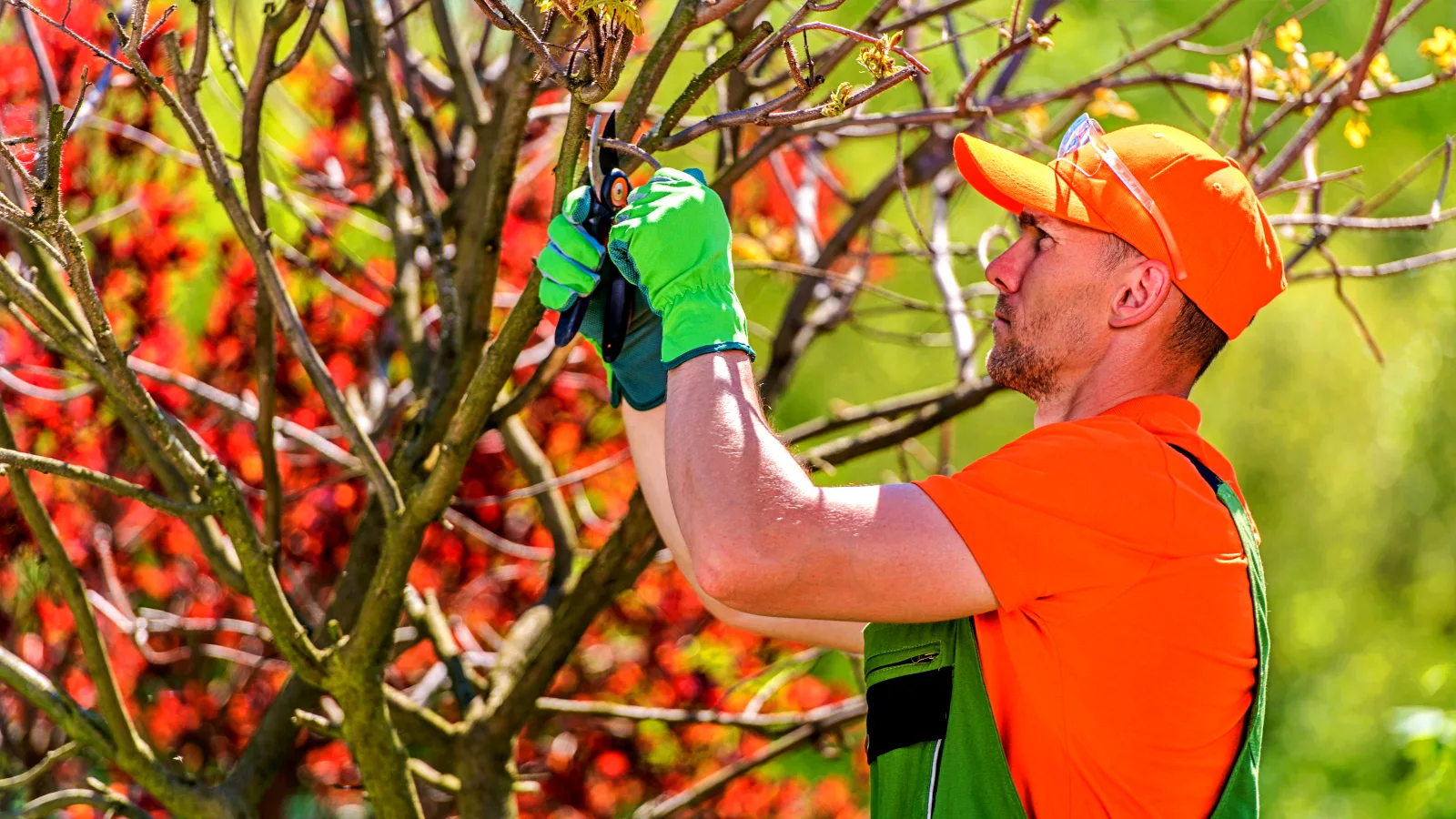
Many people mistake pruning for simple “trimming.” While removing dead limbs is important, professional tree health and care in Cornelius NC focuses on structural pruning.
Crown Thinning and Cleaning
Soil Nutrition and Deep Root Fertilization
Deep Root Fertilization
Soil Aeration
Mulching Strategies
Combating Pests and Diseases in North Carolina
Common Threats in the Lake Norman Area:
- Emerald Ash Borer
- Oak Wilt and Anthracnose
- Aphids and Scale
We don't believe in blanket chemical applications that harm the local ecosystem
- Our approach to pest and disease management is surgical
we identify the specific pathogen or insect
- And we apply the most effective, least toxic treatment
The Intersection of Tree Health and Property Safety
Hazard Tree Evaluation
We look for "danger signs" such as leaning trunks, fungal brackets (mushrooms growing on the wood), and significant die-back in the upper canopy.
Storm Preparation
A healthy tree with a balanced canopy is far more resilient in a storm.
Emergency Stabilization
When a storm does hit, we provide rapid response to stabilize damaged trees, preventing further collapse and ensuring that your property remains accessible and safe.
Frequently Asked Questions
How often should I have my trees evaluated?
For most residential properties in Cornelius, a professional health assessment every 2 to 3 years is recommended. However, if you have legacy trees or are noticing signs of decline, an annual checkup is advisable to catch issues before they become costly.
What is the best time of year for pruning in North Carolina?
While some pruning can be done year-round, late winter (dormancy) is generally the best time for structural pruning. This minimizes stress on the tree and reduces the risk of spreading diseases that are more active in the spring and summer.
Â
Can a dying tree be saved?
In many cases, yes. If the root system is still viable and the decay hasn’t reached the core of the trunk, we can often reverse decline through aggressive nutrient therapy, pest control, and strategic pruning. A professional diagnosis is the only way to know for sure.
Why is deep root fertilization better than store-bought fertilizer?
Store-bought fertilizers often sit on the surface and can cause “nitrogen burn” or be washed away by rain. Deep root injection delivers nutrients directly to the area where the tree can actually absorb them, providing a more stable and effective food source.
Â
What signs should I look for that indicate my tree needs professional help?
Keep an eye out for yellowing leaves during the growing season, branches that die back from the top down, mushrooms growing at the base of the trunk, or cracks in the bark.


Other regions where you can find Tree Cutting Services
Join our community on Facebook and learn more about us.